The Importance Of Regular Check Ups For Your Family’s Dental Health
Regular check-ups are the cornerstone of your family’s dental health. They catch issues early, preventing…
Read more →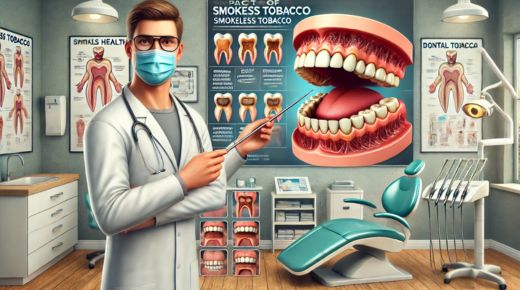
Smokeless tobacco can harm oral health. It’s not just about cigarettes. Chewing tobacco can damage gums, teeth, and even bones in the mouth. I’ve seen many patients in need of galleria area dentures due to tobacco use. Understanding these risks is crucial. Let’s explore how smokeless tobacco affects oral well-being.
Smokeless tobacco refers to products like chewing tobacco and snuff. Unlike cigarettes, these do not require burning. Instead, they are placed in the mouth or sniffed through the nose. This practice might seem less harmful, but it carries significant health risks. The mouth is a gateway to the rest of the body, and what enters can influence overall health.
Using smokeless tobacco can lead to several oral health issues:
| Aspect | Smokeless Tobacco | Cigarettes |
| Oral Cancer Risk | High | Moderate |
| Gum Health | Compromised | Compromised |
| Tooth Staining | Severe | Mild |
The table above shows some differences between smokeless tobacco and cigarettes. Both pose serious health risks. According to the Centers for Disease Control and Prevention, smokeless tobacco can increase the risk of oral cancer and other health issues.
Watch for several signs that might indicate damage from smokeless tobacco:
Reducing the harm caused by smokeless tobacco involves several strategies:
Smokeless tobacco might seem like a safer option than smoking, but it carries its own set of risks. Understanding these risks and taking steps to mitigate them is essential. By focusing on prevention and regular dental care, we can protect our oral health and reduce the need for interventions like dentures. Always consider the long-term impact of tobacco use on health and seek professional advice for the best outcomes.
For additional general health information, visit these independent public resources:
Medical disclaimer: This content is for informational purposes only and does not replace advice from a qualified healthcare professional.

Regular check-ups are the cornerstone of your family’s dental health. They catch issues early, preventing…
Read more →
Finding the right dentist for your family is crucial. It’s about ensuring both your comfort…
Read more →
Combining family and cosmetic dentistry offers many benefits. You and your loved ones can receive…
Read more →