Why Sports Continue to Inspire Every Generation
There is something about sport which incredibly unites people. It is a phenomenon that transcends…
Read more →
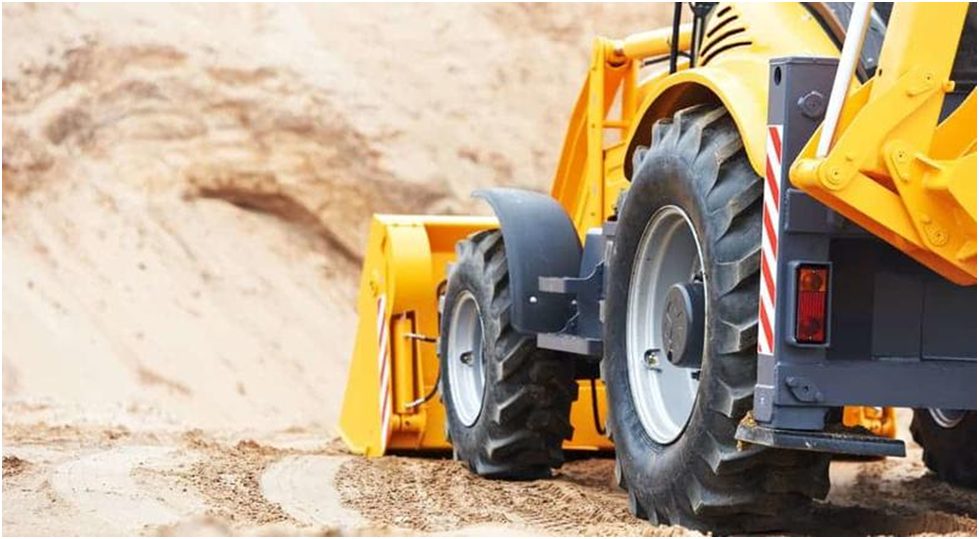
Choosing the right construction equipment is crucial for the success of any project. It can make a big difference in how fast, safe, and cost-effective your work is. Whether you are a small contractor or managing a big construction company, selecting the right equipment can feel overwhelming.
With so many options available, it’s important to know what to look for. Here’s a simple guide to help you choose the right construction equipment for your needs.
The first step is to understand the specific needs of your project. Different projects have different requirements, and not every piece of equipment is suitable for every job. For example, if you are working on a high-rise building, you might need lifts to help workers reach higher floors safely.
For ground-level work or tasks that involve moving heavy loads over uneven terrain, a shell buggy might be more appropriate. List out the tasks that need to be done and match them with the equipment that will best help accomplish them.
The size and scope of your project also play a huge role in equipment selection. For smaller projects, renting equipment can be a cost-effective option. However, for larger, long-term projects, it might make sense to invest in buying the equipment.
Consider factors like how often you will need the equipment and how much it will cost to maintain. If you’re only going to use a scissor lift once, renting might save you money in the long run.
Budget is always a big consideration when choosing construction equipment. It’s important to get the best value for your money without compromising on quality or safety. Compare prices from different suppliers and consider both upfront costs and long-term expenses like maintenance, fuel, and repairs.
Sometimes, spending a little more upfront can save you money down the line by reducing downtime and repair costs. Look for equipment that has a good reputation for reliability and efficiency.
Versatility is another key factor to consider. Equipment that can perform multiple tasks can save you time and money. For example, some types of excavators come with attachments that allow them to be used for digging, lifting, and even demolition.
Similarly, scissor lifts can be used for both indoor and outdoor projects, making them a versatile option. Choosing equipment that can be used in different ways will reduce the need for multiple machines and keep your project running smoothly.
Lastly, think about the availability of spare parts and service for the equipment you are considering. Even the best equipment can break down, and when that happens, you want to be sure you can get it repaired quickly.
Choose equipment from manufacturers or suppliers who offer good customer support, easy access to spare parts, and reliable service options. This will help minimize downtime and keep your project on track.
Choosing the right construction equipment doesn’t have to be complicated. By considering your project needs, budget, equipment versatility, safety, and service options, you can make an informed decision that will help your project succeed. Take the time to research and plan, and you’ll find the equipment that’s just right for the job.
For additional general health information, visit these independent public resources:
Medical disclaimer: This content is for informational purposes only and does not replace advice from a qualified healthcare professional.

There is something about sport which incredibly unites people. It is a phenomenon that transcends…
Read more →
As the seasons shift, we encounter new weather, allergens, and changes in our routines. Each…
Read more →Tightness after cleansing, stinging when applying products, and sudden dry patches are often blamed on…
Read more →