Is Black Period Blood Normal? Understanding the Possible Causes
Noticing very dark or black-looking menstrual blood can feel unsettling, especially when you are already…
Read more →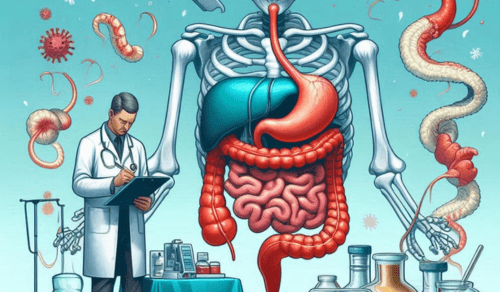
Digestive disorders can be complex and challenging to manage. Internists play a crucial role in diagnosing and treating these conditions. They have a deep understanding of how the body’s systems work together. In practices like asheboro nc internal medicine, internists use their expertise to address symptoms, plan care, and coordinate with specialists. This approach ensures that patients receive comprehensive care for their digestive health needs.
Digestive disorders cover a range of conditions affecting the gastrointestinal tract. These can include common issues like heartburn and more severe conditions like Crohn’s disease. An internist helps identify these disorders by evaluating symptoms and conducting necessary tests. Internists understand that proper digestion is vital for overall health. When the digestive system struggles, it can affect other parts of the body.
Internists use a variety of tools and methods to diagnose digestive disorders. They start with a detailed medical history and a physical examination. Blood tests and imaging studies like ultrasound or X-rays may help in identifying the problem. Internists may also perform or recommend endoscopic procedures to get a closer look inside the digestive tract.
Once a diagnosis is made, internists often work with gastroenterologists to provide comprehensive care. Internists ensure all aspects of the patient’s health are considered. This teamwork can lead to more effective treatment plans.
Internists employ several treatment strategies, which may include:
These approaches focus on managing symptoms and improving quality of life. In some cases, surgery may be necessary, and internists help guide this decision.
Internists emphasize preventive care to manage digestive health proactively. Regular check-ups and screenings can catch problems early. Internists educate patients on the importance of a balanced diet, regular exercise, and avoiding smoking and excessive alcohol. This preventive approach can minimize the risk of complications.
| Disorder | Symptoms | Treatment Options |
| Gastroesophageal Reflux Disease (GERD) | Heartburn, regurgitation | Diet modification, medications |
| Inflammatory Bowel Disease (IBD) | Abdominal pain, diarrhea | Anti-inflammatory drugs, surgery |
| Irritable Bowel Syndrome (IBS) | Bloating, cramping | Diet changes, stress management |
Digestive disorders often require ongoing management. Internists are key in monitoring progress and adjusting treatments as needed. They ensure patients understand their condition and treatment options. This ongoing relationship between the patient and the internist can enhance care and improve outcomes.
For more information on digestive health, consider visiting these resources:
Internists help connect the dots in the complex puzzle of digestive disorders. Their role in diagnosis, treatment, and prevention is essential. By working closely with patients and other healthcare providers, internists ensure that digestive health is carefully managed.
For additional general health information, visit these independent public resources:
Medical disclaimer: This content is for informational purposes only and does not replace advice from a qualified healthcare professional.

Noticing very dark or black-looking menstrual blood can feel unsettling, especially when you are already…
Read more →
Why Supplements Are Important Maintaining a healthy lifestyle starts with a balanced diet, regular exercise,…
Read more →
Introduction In today’s fast-paced healthcare industry, efficient billing processes are essential for maintaining healthy cash…
Read more →