
Blog
The Power of CBD Oil by CBD Health Relief: A Comprehensive Guide

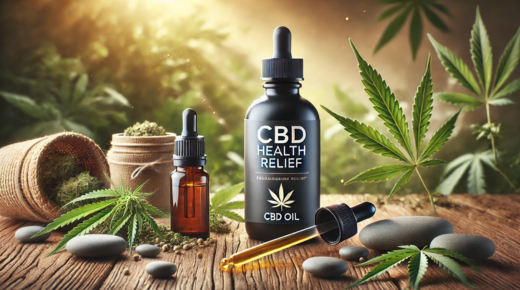
In recent years, CBD oil has grown exponentially in popularity as a natural remedy for various health concerns. Derived from the cannabis plant, CBD (cannabidiol) is renowned for its therapeutic properties without the psychoactive effects commonly associated with THC. Among the many brands on the market, CBD oil by CBD Health Relief has established itself as a trusted source for high-quality, effective CBD products. This article explores the benefits, uses, and important considerations when using CBD oil, particularly from this reputable brand.
What is CBD Oil?
CBD oil is a product derived from hemp, a variety of the cannabis plant that contains minimal THC (usually less than 0.3%). Unlike THC, which is psychoactive, CBD is non-intoxicating and does not produce a “high.” Instead, it interacts with the body’s endocannabinoid system (ECS), which plays a role in regulating various physiological processes such as pain, mood, inflammation, and sleep.
CBD oil can be consumed in a variety of ways, including sublingual drops, capsules, edibles, or topical applications. Depending on your preference and the issue you’re looking to address, the method of consumption may vary.
The Benefits of CBD Oil
CBD oil is increasingly recognized for its ability to help with a wide range of health issues. Here are some of the key benefits:
1. Pain Relief
One of the most significant benefits of CBD oil is its ability to alleviate pain. CBD interacts with the ECS to reduce inflammation and modulate pain signals. This makes it a popular option for individuals suffering from chronic pain conditions like arthritis, fibromyalgia, or lower back pain. Moreover, CBD oil may help reduce the pain associated with injuries or surgeries without the side effects of prescription painkillers.
2. Anxiety and Stress Reduction
Anxiety disorders affect millions of people globally, and many are turning to CBD oil for its calming effects. Studies suggest that CBD oil may help reduce anxiety by interacting with serotonin receptors in the brain, promoting a sense of relaxation. Whether it’s generalized anxiety, social anxiety, or stress from daily life, CBD oil provides a natural, non-addictive solution to manage these conditions.
3. Improved Sleep Quality
Sleep disorders such as insomnia are common and can significantly impact daily life. Many people find that CBD oil helps them relax and fall asleep more easily. By reducing anxiety and promoting a calm state, CBD oil can improve the overall quality of sleep. Unlike over-the-counter sleep aids, CBD is non-habit forming and does not result in morning grogginess.
4. Anti-Inflammatory Properties
Inflammation is at the root of many chronic diseases, from heart disease to autoimmune disorders. CBD oil has powerful anti-inflammatory properties that can help reduce inflammation in the body. This makes it beneficial for people dealing with inflammatory conditions such as rheumatoid arthritis, inflammatory bowel disease, and even acne. Topical CBD applications can also reduce localized inflammation in the skin or muscles.
5. Support for Mental Clarity and Focus
CBD oil may also support cognitive function by reducing anxiety and stress, which can interfere with mental clarity. By promoting a calm, balanced state of mind, many people find that they can focus better and complete tasks more efficiently. CBD oil can be a useful tool for those looking to enhance productivity and reduce mental fatigue.
6. Neuroprotective Properties
Emerging research suggests that CBD oil may have neuroprotective effects, potentially protecting the brain from damage and degeneration. This makes it a promising option for individuals with neurological disorders such as epilepsy, multiple sclerosis, or Alzheimer’s disease. The FDA has already approved a CBD-based drug, Epidiolex, for the treatment of certain forms of epilepsy.
Why Choose CBD Oil by CBD Health Relief?
When selecting a CBD product, it’s essential to choose a brand that prioritizes quality and transparency. CBD oil by CBD Health Relief stands out for several reasons:
1. High-Quality Hemp
CBD Health Relief sources its CBD from organically grown hemp. This ensures that the product is free from pesticides, herbicides, and harmful chemicals. The purity of the hemp also contributes to the overall effectiveness of the CBD oil.
2. Third-Party Lab Testing
One of the hallmarks of a reputable CBD brand is third-party lab testing. CBD Health Relief conducts rigorous testing to ensure that its products are free from contaminants and contain the advertised amount of CBD. Lab reports are available for consumers, ensuring transparency and building trust.
3. Full-Spectrum CBD
CBD Health Relief offers full-spectrum CBD oil, meaning it contains a variety of cannabinoids, terpenes, and flavonoids found in the hemp plant. Full-spectrum CBD is believed to produce the “entourage effect,” where the compounds work together synergistically to enhance the therapeutic effects.
4. Variety of Potencies
CBD Health Relief offers CBD oil in various strengths, allowing consumers to choose the potency that best fits their needs. Whether you’re new to CBD or require a higher concentration for chronic conditions, there’s an option for you.
How to Use CBD Oil
There are several ways to use CBD oil, depending on the effects you’re seeking:
- Sublingual: Placing a few drops of CBD oil under your tongue allows it to absorb quickly into the bloodstream. This method offers fast-acting relief and is popular for managing pain, anxiety, and sleep disorders.
- Topical: CBD oil can be applied directly to the skin for localized pain or inflammation. It’s especially useful for muscle soreness, arthritis, or skin conditions like eczema.
- Ingestion: You can also add CBD oil to food or beverages, though this method takes longer to produce effects since the oil has to pass through the digestive system.
It’s essential to start with a low dose and gradually increase until you find the amount that works best for you.
Conclusion
CBD oil offers a natural, versatile option for addressing a variety of health concerns, from chronic pain to anxiety and inflammation. CBD oil by CBD Health Relief is a trusted brand known for its high-quality, full-spectrum CBD products that undergo rigorous third-party testing. Whether you’re new to CBD or looking to try a new product, CBD Health Relief provides a safe and effective way to incorporate CBD into your wellness routine. As with any supplement, consult with your healthcare provider before starting, especially if you’re on other medications.
Tightness after cleansing, stinging when applying products, and sudden dry patches are often blamed on “sensitive skin.” In many cases, however, they point to a stressed skin barrier. This outer layer of the skin has a simple but important job: it helps hold water in and keeps irritants, allergens, and microbes from entering. When it is disrupted, even a routine that once worked well can start to cause discomfort.
1. What the Skin Barrier Does
The skin barrier is mainly found in the outermost layer of the skin, called the stratum corneum. It is often compared to a brick wall. Skin cells are the bricks, while natural lipids, including ceramides, cholesterol, and fatty acids, act like mortar. Together, they reduce water loss and provide protection from the environment.
A healthy barrier does not mean perfectly flawless skin. It means the skin can stay comfortably hydrated, tolerate everyday products, and recover from minor irritation without ongoing redness or flaking.
2. Common Signs of Barrier Damage
Barrier problems do not look the same on everyone. Some people develop dry, rough, peeling areas, while others notice oiliness and breakouts alongside irritation. Watch for these common signs:
- Burning or stinging when water or basic products touch the skin
- Persistent tightness, especially after washing
- Redness, itching, or sensitivity in areas that were previously calm
- Flaking, rough texture, or makeup that suddenly clings to patches
- More frequent blemishes or inflammation
- Products that used to feel fine becoming uncomfortable
These symptoms can overlap with eczema, rosacea, allergic contact dermatitis, and acne. A skin barrier routine can be helpful, but persistent or severe symptoms deserve a discussion with a dermatologist.
3. Over-Cleansing Is a Frequent Trigger
Washing away sweat, sunscreen, and makeup is necessary, but aggressive cleansing can remove too much of the skin’s protective oil. Foaming cleansers, harsh soaps, very hot water, washcloth friction, and cleansing several times a day can all contribute.
For most people, cleansing gently in the evening is enough. In the morning, a rinse with lukewarm water may be sufficient, especially if the skin is dry or reactive. Those with very oily skin may prefer a mild cleanser twice daily, but squeaky-clean skin is usually a sign that the cleanser is too stripping.
4. Too Many Actives Can Overwhelm the Skin
Retinoids, exfoliating acids, benzoyl peroxide, vitamin C, and physical scrubs can all have a place in a skincare routine. The difficulty begins when several strong products are layered together or used too often. More activity is not always more effective.
For example, using a retinoid, an acid exfoliant, and benzoyl peroxide on the same evening may cause irritation, even if each product is tolerated on its own. Introducing one active at a time makes it far easier to identify what your skin can manage.
5. Weather and Lifestyle Matter Too
Cold air, indoor heating, wind, long hot showers, chlorine, and low humidity can all increase water loss from the skin. Stress and poor sleep may also worsen inflammatory skin concerns. The goal is not to control every environmental factor, but to give the skin extra support during periods when it is under strain.
A humidifier in a dry room, shorter lukewarm showers, and applying moisturizer soon after bathing are practical steps that can make a noticeable difference.
6. Simplify the Routine First
When skin feels reactive, it is tempting to search for a new treatment. A simpler approach is often more useful. For one to two weeks, consider pausing scrubs, peels, strong acne treatments, fragranced products, and newly introduced serums. Use a basic routine built around cleansing, moisturizing, and daily sun protection.
- Cleanse gently with lukewarm water.
- Apply a fragrance-free moisturizer while the skin is slightly damp.
- Use a broad-spectrum sunscreen during the day.
- Reintroduce active products gradually after the skin feels comfortable again.
Minimal routines also make health information easier to evaluate. Readers benefit when beauty sites clearly separate evidence-based guidance from trends; editors building reliable wellness resources may use a guest-posting service to connect with relevant writers, but every skincare claim should still be reviewed carefully and matched to credible clinical advice.
7. Choose Moisturizer Ingredients With a Purpose
A good barrier-supporting moisturizer generally combines three categories of ingredients. Humectants, such as glycerin and hyaluronic acid, draw water into the outer skin layers. Emollients, such as squalane and certain plant oils, soften rough texture. Occlusives, such as petrolatum and dimethicone, reduce the amount of water that evaporates from the skin.
Ceramides are especially useful because they are naturally present in the barrier. A product does not need to include every fashionable ingredient to be effective. For irritated skin, a plain, fragrance-free cream is often a better choice than a heavily scented formula with many botanical extracts.
8. Do Not Forget Sunscreen
Ultraviolet exposure can contribute to inflammation, dryness, uneven tone, and premature skin aging. Daily sunscreen helps prevent further stress while the barrier recovers. Look for a broad-spectrum SPF 30 or higher and choose a texture you are willing to wear consistently.
If sunscreen stings, mineral formulas containing zinc oxide or titanium dioxide may feel gentler for some people. Patch testing a small area first can help, although it does not guarantee a product will suit the entire face.
9. Reintroduce Treatments Slowly
Once sensitivity has settled, bring back one active product rather than restarting everything at once. Begin with two nights per week, then increase only if the skin remains comfortable. Follow stronger treatments with moisturizer, and avoid combining multiple irritating steps on the same night.
Patience is important. Barrier recovery may take several days for mild irritation and several weeks for more persistent damage. Trying a different product every few days usually makes recovery harder to track.
10. Know When to Seek Medical Advice
See a dermatologist or healthcare professional if you have swelling, hives, cracking that bleeds, oozing, intense itching, eye-area irritation, or a rash that does not improve after simplifying your routine. Medical care is also important when acne, eczema, rosacea, or pigment changes are affecting your comfort or confidence.
A strong skin barrier is not built through harsh correction. Gentle cleansing, consistent moisturizing, sensible sun protection, and fewer unnecessary products give the skin the conditions it needs to function well. When in doubt, simplify first, observe carefully, and seek professional guidance for symptoms that persist.
Tightness after cleansing, stinging when applying products, and sudden dry patches are often blamed on “sensitive skin.” In many cases, however, they point to a stressed skin barrier. This outer layer of the skin has a simple but important job: it helps hold water in and keeps irritants, allergens, and microbes from entering. When it is disrupted, even a routine that once worked well can start to cause discomfort.
1. What the Skin Barrier Does
The skin barrier is mainly found in the outermost layer of the skin, called the stratum corneum. It is often compared to a brick wall. Skin cells are the bricks, while natural lipids, including ceramides, cholesterol, and fatty acids, act like mortar. Together, they reduce water loss and provide protection from the environment.
A healthy barrier does not mean perfectly flawless skin. It means the skin can stay comfortably hydrated, tolerate everyday products, and recover from minor irritation without ongoing redness or flaking.
2. Common Signs of Barrier Damage
Barrier problems do not look the same on everyone. Some people develop dry, rough, peeling areas, while others notice oiliness and breakouts alongside irritation. Watch for these common signs:
- Burning or stinging when water or basic products touch the skin
- Persistent tightness, especially after washing
- Redness, itching, or sensitivity in areas that were previously calm
- Flaking, rough texture, or makeup that suddenly clings to patches
- More frequent blemishes or inflammation
- Products that used to feel fine becoming uncomfortable
These symptoms can overlap with eczema, rosacea, allergic contact dermatitis, and acne. A skin barrier routine can be helpful, but persistent or severe symptoms deserve a discussion with a dermatologist.
3. Over-Cleansing Is a Frequent Trigger
Washing away sweat, sunscreen, and makeup is necessary, but aggressive cleansing can remove too much of the skin’s protective oil. Foaming cleansers, harsh soaps, very hot water, washcloth friction, and cleansing several times a day can all contribute.
For most people, cleansing gently in the evening is enough. In the morning, a rinse with lukewarm water may be sufficient, especially if the skin is dry or reactive. Those with very oily skin may prefer a mild cleanser twice daily, but squeaky-clean skin is usually a sign that the cleanser is too stripping.
4. Too Many Actives Can Overwhelm the Skin
Retinoids, exfoliating acids, benzoyl peroxide, vitamin C, and physical scrubs can all have a place in a skincare routine. The difficulty begins when several strong products are layered together or used too often. More activity is not always more effective.
For example, using a retinoid, an acid exfoliant, and benzoyl peroxide on the same evening may cause irritation, even if each product is tolerated on its own. Introducing one active at a time makes it far easier to identify what your skin can manage.
5. Weather and Lifestyle Matter Too
Cold air, indoor heating, wind, long hot showers, chlorine, and low humidity can all increase water loss from the skin. Stress and poor sleep may also worsen inflammatory skin concerns. The goal is not to control every environmental factor, but to give the skin extra support during periods when it is under strain.
A humidifier in a dry room, shorter lukewarm showers, and applying moisturizer soon after bathing are practical steps that can make a noticeable difference.
6. Simplify the Routine First
When skin feels reactive, it is tempting to search for a new treatment. A simpler approach is often more useful. For one to two weeks, consider pausing scrubs, peels, strong acne treatments, fragranced products, and newly introduced serums. Use a basic routine built around cleansing, moisturizing, and daily sun protection.
- Cleanse gently with lukewarm water.
- Apply a fragrance-free moisturizer while the skin is slightly damp.
- Use a broad-spectrum sunscreen during the day.
- Reintroduce active products gradually after the skin feels comfortable again.
Minimal routines also make health information easier to evaluate. Readers benefit when beauty sites clearly separate evidence-based guidance from trends; editors building reliable wellness resources may use a guest-posting service to connect with relevant writers, but every skincare claim should still be reviewed carefully and matched to credible clinical advice.
7. Choose Moisturizer Ingredients With a Purpose
A good barrier-supporting moisturizer generally combines three categories of ingredients. Humectants, such as glycerin and hyaluronic acid, draw water into the outer skin layers. Emollients, such as squalane and certain plant oils, soften rough texture. Occlusives, such as petrolatum and dimethicone, reduce the amount of water that evaporates from the skin.
Ceramides are especially useful because they are naturally present in the barrier. A product does not need to include every fashionable ingredient to be effective. For irritated skin, a plain, fragrance-free cream is often a better choice than a heavily scented formula with many botanical extracts.
8. Do Not Forget Sunscreen
Ultraviolet exposure can contribute to inflammation, dryness, uneven tone, and premature skin aging. Daily sunscreen helps prevent further stress while the barrier recovers. Look for a broad-spectrum SPF 30 or higher and choose a texture you are willing to wear consistently.
If sunscreen stings, mineral formulas containing zinc oxide or titanium dioxide may feel gentler for some people. Patch testing a small area first can help, although it does not guarantee a product will suit the entire face.
9. Reintroduce Treatments Slowly
Once sensitivity has settled, bring back one active product rather than restarting everything at once. Begin with two nights per week, then increase only if the skin remains comfortable. Follow stronger treatments with moisturizer, and avoid combining multiple irritating steps on the same night.
Patience is important. Barrier recovery may take several days for mild irritation and several weeks for more persistent damage. Trying a different product every few days usually makes recovery harder to track.
10. Know When to Seek Medical Advice
See a dermatologist or healthcare professional if you have swelling, hives, cracking that bleeds, oozing, intense itching, eye-area irritation, or a rash that does not improve after simplifying your routine. Medical care is also important when acne, eczema, rosacea, or pigment changes are affecting your comfort or confidence.
A strong skin barrier is not built through harsh correction. Gentle cleansing, consistent moisturizing, sensible sun protection, and fewer unnecessary products give the skin the conditions it needs to function well. When in doubt, simplify first, observe carefully, and seek professional guidance for symptoms that persist.

Finding a reliable dentist near me can make it much easier to stay on top of your oral health. Whether you need a routine dental cleaning, treatment for tooth pain, or a complete smile makeover, choosing a dental clinic that offers comprehensive care can save you time and provide greater convenience. Markham Gateway Dentistry provides a wide range of dental services designed to help children, adults, and seniors maintain healthy, confident smiles.
Comprehensive Dental Care
Markham Gateway Dentistry offers general, preventive, restorative, cosmetic, and emergency dental services. Regular checkups and professional cleanings can help identify dental concerns early and reduce the risk of more serious problems. The clinic provides services such as dental examinations, teeth cleaning, dental fillings, fluoride treatments, digital X-rays, and preventive care.
If you are experiencing a damaged or decayed tooth, restorative treatments can help protect your natural teeth and restore normal function. Dental crowns, bridges, fillings, and other restorative options may be recommended depending on your individual needs.
Emergency Dentist Near Me
Dental emergencies can happen unexpectedly. Severe tooth pain, a broken or chipped tooth, a dental infection, or problems with a wisdom tooth can make it difficult to wait for a routine appointment. Markham Gateway Dentistry offers emergency dental services to help patients receive timely attention when urgent dental problems occur.
Getting professional help quickly can also prevent a dental issue from becoming more complicated. If you have sudden or severe dental discomfort, contacting a dental professional is an important first step.
Teeth Cleaning and Preventive Dentistry
Preventive dental care is one of the simplest ways to protect your smile. Professional teeth cleaning helps remove plaque and tartar that regular brushing and flossing may not completely eliminate. Routine examinations can also help dentists identify cavities, gum problems, and other concerns at an earlier stage.
Markham Gateway Dentistry focuses on preventive care while also providing treatment when dental problems require additional attention. This approach can help patients maintain better oral health over time.
Cosmetic and Orthodontic Dentistry
If you want to improve the appearance of your smile, cosmetic and orthodontic treatments can provide several options. Markham Gateway Dentistry offers cosmetic dental services as well as braces and Invisalign treatments. These options can help address concerns involving tooth alignment, spacing, and overall smile appearance.
Family-Friendly Dental Services
A good family dental clinic should make patients feel comfortable at every stage of life. Markham Gateway Dentistry provides dental care for patients of different ages, including pediatric dental services. The team aims to create a comfortable environment while explaining treatment options clearly so patients can make informed decisions about their oral health.
Choose Markham Gateway Dentistry
If you are searching online for a dentist near me, Markham Gateway Dentistry offers convenient access to a broad range of dental treatments under one roof. From routine cleanings and fillings to root canal treatment, wisdom teeth removal, emergency care, braces, Invisalign, and cosmetic dentistry, the clinic can help address many different dental needs.
Whether you are due for your next dental checkup or dealing with an unexpected dental problem, Markham Gateway Dentistry is ready to help you work toward a healthier and more confident smile.