
Health
Finding the Right Urologist in Bangalore: A Complete Guide for Better Urinary Health

When it comes to maintaining good health, people often focus on the heart, bones, or digestion, but urinary health is just as important. Urology deals with conditions related to the urinary tract and the male reproductive system. If you are experiencing issues such as kidney stones, urinary infections, prostate problems, or bladder concerns, consulting a qualified specialist is essential. Fortunately, Bangalore is home to many experienced medical professionals who provide advanced urological care.
Choosing the right urologist in bangalore can make a significant difference in diagnosis, treatment quality, and long-term health outcomes. The city’s hospitals and clinics are equipped with modern technology, and many specialists have international training and years of experience handling complex cases.
Understanding Urology and Why It Matters
Urology is a specialized branch of medicine that focuses on diseases affecting the urinary system. This includes organs such as the kidneys, bladder, ureters, and urethra. In men, urologists also treat conditions related to the prostate and reproductive organs.
Common conditions treated by urologists include:
- Kidney stones
- Urinary tract infections (UTIs)
- Enlarged prostate
- Male infertility
- Bladder disorders
- Erectile dysfunction
- Kidney and bladder cancers
Many of these issues may start with mild symptoms but can become serious if ignored. Early diagnosis by a skilled urologist helps prevent complications and ensures better recovery.
Why Bangalore is a Leading City for Urology Treatment
Bangalore has emerged as one of India’s top medical hubs. The city is known for its advanced hospitals, skilled doctors, and modern diagnostic facilities. Patients from across India and even from abroad travel to Bangalore for specialized treatments.
Several factors make Bangalore a preferred destination for urological care:
- Availability of advanced diagnostic tools
- Experienced specialists trained internationally
- Modern surgical technologies like laser and robotic surgery
- High standards of hospital care
- Multispecialty hospitals offering comprehensive treatment
These advantages make it easier for patients to receive world-class care without leaving the country.
Qualities to Look for in a Urologist
Choosing the right doctor is important when dealing with urological conditions. Patients should consider several factors before making a decision.
Experience and specialization play a key role. A doctor who has treated a wide range of cases is better equipped to handle complications.
Hospital affiliation is another important factor. Specialists working with reputed hospitals usually have access to advanced equipment and support teams.
Patient reviews and reputation also provide helpful insights. Feedback from other patients often reflects the doctor’s professionalism and success rate.
Communication skills matter as well. A good doctor explains medical conditions clearly and helps patients feel comfortable discussing sensitive issues.
Common Urological Treatments Available
Modern urology has advanced significantly in recent years. Many procedures that once required open surgery can now be performed using minimally invasive techniques.
Some commonly offered treatments include:
- Laser kidney stone removal
- Prostate surgery using advanced laser technology
- Laparoscopic kidney procedures
- Robotic urological surgery
- Treatment for urinary incontinence
- Male fertility treatments
These advanced techniques reduce pain, shorten recovery time, and improve treatment outcomes for patients.
When Should You See a Urologist?
Many people delay consulting a specialist because they feel embarrassed or think the symptoms will disappear on their own. However, ignoring warning signs can lead to serious health problems.
You should consider visiting a urologist if you experience:
- Frequent or painful urination
- Blood in urine
- Severe lower abdominal pain
- Difficulty passing urine
- Recurrent urinary infections
- Male reproductive health issues
If these symptoms persist, consulting the best urologist in bangalore can help identify the root cause and provide the right treatment.
Importance of Early Diagnosis
Early diagnosis plays a crucial role in treating urological disorders effectively. Conditions like kidney stones or prostate enlargement can worsen if left untreated. In some cases, early detection can even prevent life-threatening complications such as kidney damage or cancer.
Modern diagnostic tests such as ultrasound scans, CT scans, urine analysis, and blood tests allow doctors to detect problems quickly and accurately. With the right treatment plan, most urological conditions can be managed successfully.
Final Thoughts
Urological health is an important part of
Health
Finding the Best Oncology Care: Leading Oncology Specialists in India for Advanced Cancer Treatment
Cancer treatment has advanced significantly in recent years, and India has become a preferred destination for high-quality and affordable oncology care. The country is home to some of the most experienced medical professionals, modern hospitals, and advanced treatment technologies. Patients from around the world travel to India to receive treatment from highly qualified doctors and specialists. When searching for trusted oncology specialists in india, patients can find a wide range of experienced professionals who offer comprehensive cancer care using modern medical approaches.
Why India Is a Preferred Destination for Cancer Treatment
India has earned a strong reputation in the global healthcare industry, especially in oncology. The country offers world-class treatment facilities combined with relatively affordable costs compared to many Western countries. Many hospitals are equipped with state-of-the-art technology such as robotic surgery, targeted therapy, immunotherapy, and precision radiation therapy.
Another reason patients prefer India is the presence of highly trained specialists who have received education and training from leading global institutions. These experts follow international treatment protocols and provide personalized care to ensure the best possible outcomes for patients.
Role of Oncology Specialists in Cancer Treatment
Oncology is a specialized branch of medicine focused on diagnosing, treating, and managing cancer. Oncology specialists play a crucial role in every stage of cancer care. They evaluate the patient’s condition, determine the type and stage of cancer, and design a customized treatment plan.
These specialists often work as part of a multidisciplinary team that may include surgeons, radiologists, pathologists, and supportive care professionals. Their goal is not only to treat cancer but also to improve the patient’s quality of life during and after treatment.
Treatment methods may include chemotherapy, radiation therapy, immunotherapy, hormone therapy, targeted therapy, and surgical procedures. Each treatment plan is carefully designed based on the patient’s medical history, cancer type, and overall health condition.
Expertise of Oncology Doctors in India
Many hospitals across India have teams of highly qualified oncology professionals with years of experience in cancer treatment. The Oncology doctors in india are known for their expertise in handling complex cases and providing innovative treatment solutions.
These doctors specialize in various sub-fields such as medical oncology, surgical oncology, radiation oncology, and pediatric oncology. Their expertise ensures that patients receive the most appropriate treatment depending on the specific type of cancer.
Furthermore, Indian oncology doctors continuously stay updated with the latest research and medical developments. Many of them actively participate in international conferences and research programs, ensuring they remain at the forefront of modern cancer treatment.
Advanced Technology and Modern Treatment Facilities
One of the major strengths of cancer treatment in India is the availability of advanced medical technology. Many leading hospitals are equipped with cutting-edge diagnostic and treatment equipment such as PET-CT scans, linear accelerators, and robotic surgical systems.
These technologies allow doctors to detect cancer at earlier stages and provide more precise treatment. Advanced radiation therapy techniques, for example, can target cancer cells more accurately while minimizing damage to surrounding healthy tissues.
Additionally, many hospitals offer specialized cancer care centers where patients can access complete treatment services under one roof. From diagnosis to rehabilitation, these facilities ensure a smooth and coordinated treatment process.
Choosing the Right Oncologist in India
Selecting the right doctor is an important step in the cancer treatment journey. A qualified Oncologist in india should have strong academic credentials, years of clinical experience, and a proven track record of successful treatments.
Patients should also consider factors such as hospital infrastructure, treatment technologies, and support services offered by the healthcare facility. Many leading hospitals also provide international patient support services, helping patients with travel, accommodation, and treatment coordination.
Conclusion
India has become one of the most trusted destinations for cancer treatment due to its skilled medical professionals, advanced technology, and patient-focused healthcare system. With the support of experienced specialists and modern hospitals, patients can access high-quality cancer care at reasonable costs.
Choosing the right oncology expert and treatment center can significantly improve treatment outcomes. With numerous experienced professionals and world-class medical facilities available across the country, patients seeking effective cancer treatment can confidently rely on the expertise of India’s oncology specialists.

It’s no small deal for for people to carry a quiet, persistent hope of becoming parents from a situation where all the odds were stacked against them. Intended parents often focus on the medical process, such as IVF (in‑vitro fertilisation) and finding a surrogate mother, but understanding the legal framework is just as important. In Kenya, recent developments have created the country’s first comprehensive legal structure for surrogacy and related fertility treatments. This guide explains what the new Kenyan law means for families considering surrogacy, and how it protects everyone involved.
A New Law for Surrogacy and Fertility Care
In late 2025, Kenya’s National Assembly passed the Assisted Reproductive Technology (ART) Bill, 2022, which introduces the first clear legal framework for surrogacy, IVF, and other assisted reproductive services in accordance with international surrogacy law. Before this law, surrogacy in Kenya operated without specific regulation, leaving gaps in protection and legal status for children born through these methods.
The ART law aims to balance ethical considerations with reproductive health rights and opening a door for international surrogacy agencies services. It creates a structured system of oversight and safeguards the dignity of intended parents, surrogate mothers, and the children who are born through assisted reproductive technology.
What Surrogacy Looks Like Under Kenyan Law
One of the most significant changes under the new law is the clear distinction between altruistic surrogacy and commercial practices. Commercial surrogacy where the surrogate mother receives payment beyond necessary medical and insurance expenses is prohibited. Instead, only altruistic arrangements are permitted. This means a surrogate mother may not be paid for carrying a pregnancy but can have her medical costs covered.
The legislation limits who can pursue surrogacy in Kenya. Intended parents must be Kenyan citizens between the ages of 25 and 55, while surrogate mothers must be between 25 and 45, have given birth at least once, and undergo both medical and psychological evaluations before participating in a surrogacy arrangement.
Every party must provide written consent before any procedure begins, and the law forbids posthumous use of reproductive material unless there was prior authorization. These measures aim to ensure that communication and decisions are clearly understood and voluntary.
Protection for Children and Families
The new framework in Kenya also focuses on children’s rights. A child born through surrogacy or other assisted reproductive techniques receives the same legal status as a child born naturally, reinforcing their right to family and identity.
To help uphold this protection, the law establishes a national register of donors, embryos, and children conceived through assisted reproductive technology. This secure registry is overseen by the Assisted Reproductive Technology Committee under the Kenya Medical Practitioners and Dentists Council (KMPDC).
Supporting Families and Ethical Practice
The law includes several provisions to support both surrogate mothers and intended parents. Surrogates are entitled to up to three months of leave after birth, while intended mothers and fathers qualify for maternity and paternity leave. Mandatory counselling for both sides helps families understand their rights and responsibilities before entering a surrogacy arrangement.
To ensure ethical care, the law imposes strict penalties for prohibited practices such as human cloning, sex selection, and the sale of gametes (sperm or eggs).
A Thoughtful Step Forward
Kenya’s new surrogacy law represents a major milestone for reproductive rights and fertility care in Africa. For intended parents exploring international surrogacy, this framework brings greater clarity, protection, and support during what can be a deeply personal and emotional journey.
Working with experienced international surrogacy agencies, such as KinPath, can provide the guidance and support needed to make each step of this deeply personal journey smoother and more reassuring By focusing on ethical practice, medical oversight, and legal certainty, Kenya’s approach aims to help families grow with confidence and care.
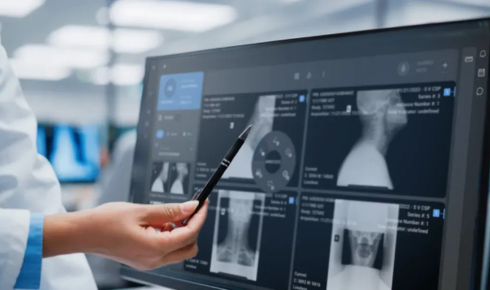
Healthcare today depends heavily on speed, accuracy, and patient comfort. Hospitals and diagnostic centers need Radiology Solutions that can deliver clear images while keeping workflows smooth. With the rise of Digital systems, medical imaging has become faster and more efficient than ever before. One advanced option in this space is the DR400i, a powerful imaging system designed to meet modern healthcare needs.
Why Radiology Solutions Matter in Healthcare
Radiology plays a key role in diagnosing injuries, infections, and chronic diseases. From broken bones to lung conditions, doctors rely on imaging to make correct decisions. Good Radiology Solutions help medical teams capture high-quality images with less waiting time.
When a hospital uses advanced Digital systems, patients experience shorter exam times and more comfort. At the same time, doctors get sharper images that help them detect problems early. This leads to better treatment planning and improved patient outcomes.
The Shift from Traditional to Digital Systems
In the past, imaging relied on film-based methods. These methods took more time and required physical storage space. Today, Digital systems have changed the entire workflow.
Digital imaging allows instant image viewing on screens. Images can be stored securely and shared with specialists in seconds. This is especially helpful in busy hospitals where quick decisions are critical. Radiology Solutions that include Digital systems reduce manual errors and improve overall efficiency.
Another major benefit is lower radiation exposure in many modern systems. Advanced technology ensures that patients receive the safest possible imaging experience without compromising image quality.
DR400i: A Flexible Imaging Solution
The DR400i is designed to offer flexibility and reliability in medical imaging. It supports a wide range of examinations, including chest, orthopedic, and emergency imaging. Because it is built as part of modern Radiology Solutions, it fits well into both small clinics and large hospitals.
One of the key advantages of the DR400i is its adaptability. Healthcare facilities can upgrade from basic digital radiography to more advanced configurations as their needs grow. This makes it a future-ready investment.
The system also focuses on workflow efficiency. Technologists can easily position patients, capture images quickly, and review results almost instantly. With strong integration into Digital systems, the DR400i ensures seamless data management and easy access to patient records.
Choosing the Right Radiology Partner
Selecting the right provider for Radiology Solutions is just as important as choosing the right equipment. Healthcare facilities should look for systems that are reliable, scalable, and easy to use. Long-term support and service are also key factors.
Agfa is a trusted name in medical imaging and has years of experience in developing advanced Digital systems. The company offers the DR400i as part of its comprehensive Radiology Solutions portfolio. Agfa focuses on innovation, quality, and customer support to help healthcare providers deliver better care. With a strong global presence and a commitment to continuous improvement, Agfa continues to support hospitals and clinics with dependable imaging technology that meets modern healthcare demands.