Is Black Period Blood Normal? Understanding the Possible Causes
Noticing very dark or black-looking menstrual blood can feel unsettling, especially when you are already…
Read more →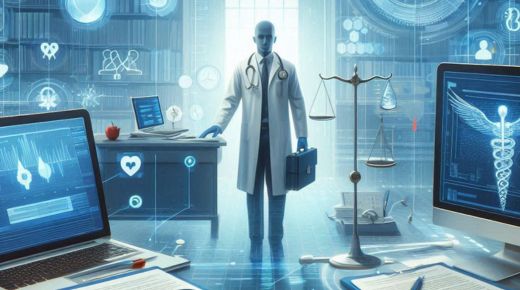
One important component for a hassle-free run in the medical process that is followed in this sector is medical coding.The medical coders in healthcare compliance serve as the liaison between medical services providers, insurance companies and patients. Interpreting patient records, loads of procedures and diagnoses into codes, they see to it that the healthcare facilities do not break any rules.
What is Medical Coding?
In simple words we can say that it’s a description of diagnoses and procedures and converting them into codes. These codes are based on universal coding systems including the International Classification of Diseases (ICD), Current Procedural Terminology (CPT), and Healthcare Common Procedure Coding System. The nature of coding dictates that even a tiny mistake can cause an error to be billed out incorrectly, end up as insurance claim denials and in worst-case scenario, legal actions.
Coverage and Billing Accuracy
Medical coders serve as a critical part of the team that ensures healthcare providers are reimbursed for their services. Every service that is provided to the patient right from a regular checkup to any complicated surgery needs documentation and coding accurately in every possible way. Because even a single mistake in the coding can result in inappropriate billing, which means trouble getting paid on time or outright not being reimbursed. Medical coders ensure accuracy in coding and help hospitals to be reimbursed accordingly & on time, which means seamless financial operations.
Preventing Fraud and Abuse
One of the healthcare industry’s biggest hurdles is preventing fraudulent billing practices. This might mean something like overbilling, billing for services not actually provided or upcoding. Medical coders manage this risk by adhering to very rigid coding standards and guidelines. Because coding regulations are everything to a coder, this ensures that only the legitimate claims (and combinations of conditions) get coded – all preventing potential healthcare fraud and abuse.
Staying Current with the Industry
New treatments, technologies and regulations arise constantly in the healthcare industry. Thus, there are constant changes in the rules and regulations. Medical coders need to be updated with these code changes. Otherwise, they will use old codes that lead to rejection which is an expense to healthcare system. For example, changes in the ICD codes or updates to CMS policies can drastically change how medical procedures are coded and billed. Medical coders must continually learn and adapt to be able to do their jobs correctly and ensure that healthcare facilities stay compliant with the ever-changing coding regulations.
Wrapping Up
Technology has come a long way, and this means that the field of medical coding is richer for it. Nowadays, automated coding systems and artificial intelligence tools are introduced to help medical coders spot the right codes quickly. But humans are still needed to verify whether automated systems are accurate and process cases that require human understanding. Skilled coders using the technology push compliance, accuracy, and efficiency in coding.
For additional general health information, visit these independent public resources:
Medical disclaimer: This content is for informational purposes only and does not replace advice from a qualified healthcare professional.

Noticing very dark or black-looking menstrual blood can feel unsettling, especially when you are already…
Read more →
Why Supplements Are Important Maintaining a healthy lifestyle starts with a balanced diet, regular exercise,…
Read more →
Introduction In today’s fast-paced healthcare industry, efficient billing processes are essential for maintaining healthy cash…
Read more →